
Southwest Monsoon Stays Active as Fresh Weather Systems Develop Over Eastern India
Updated: 3 August 2026 | 5:45 PM IST
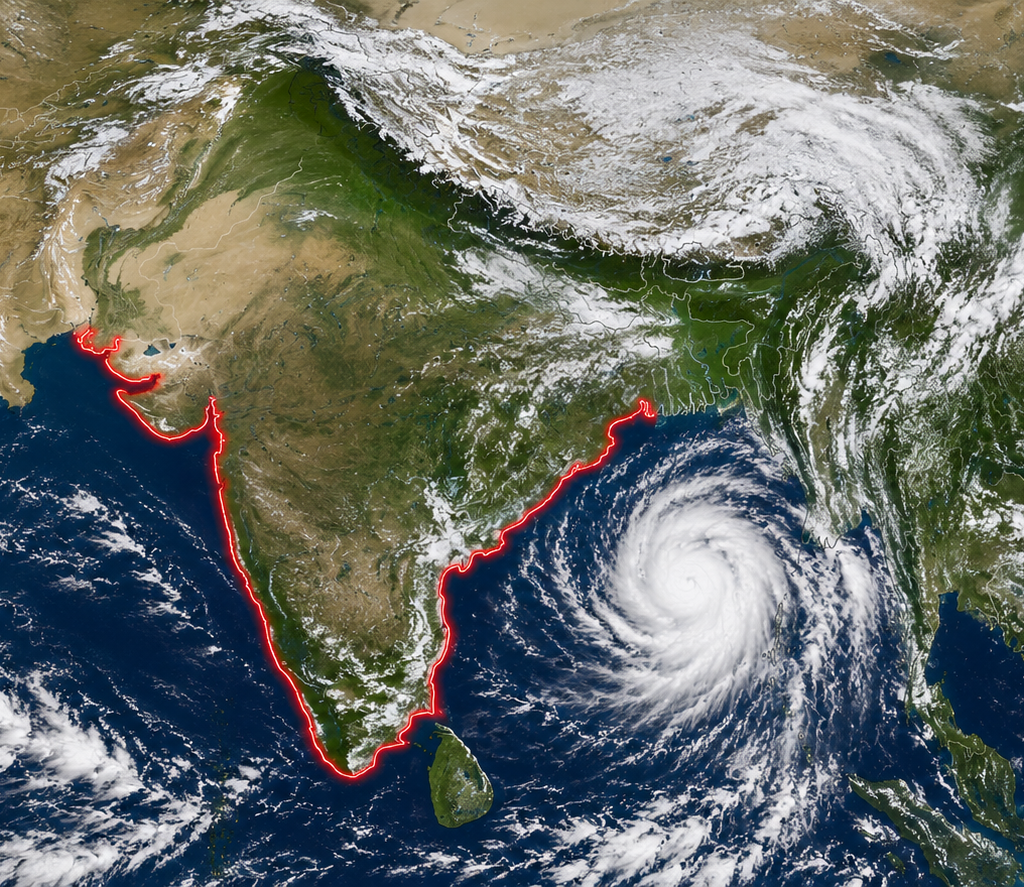
The southwest monsoon remains active across India as fresh weather systems develop over eastern India while the remnants of the previous monsoon depression weaken over northwest India and Pakistan. According to the India Meteorological Department (IMD), the evolving weather pattern will sustain widespread rainfall over several regions during the coming days. The continued rainfall should benefit kharif crops, although localized flooding remains possible in vulnerable areas.
Key Takeaways
- Fresh weather systems are developing over eastern India and the Bay of Bengal.
- The southwest monsoon remains active with no major break expected.
- Fresh weather systems will bring widespread rainfall to eastern and central India, with showers extending into parts of northern India.
- Continued rainfall could further reduce the seasonal rainfall deficit.
- Localized flooding and waterlogging remain possible in low-lying areas.
Monsoon Circulation Remains Active
Satellite imagery indicates that the weakening remnants of the recent monsoon depression continue to linger over northwest India and adjoining Pakistan. Meanwhile, widespread convective cloud activity has intensified over eastern India and the northern Bay of Bengal.
According to IMD, this overlap suggests that the monsoon circulation remains well established rather than entering a break phase. As one weather system weakens, another is already developing over the Bay of Bengal. This succession of systems helps maintain the monsoon trough and supports a continuous flow of moisture from both the Bay of Bengal and the Arabian Sea.
Current Weather Observations
Recent satellite observations show extensive cloud cover stretching from eastern India across the Indo-Gangetic Plains into the Himalayan foothills. Dense convective clouds remain concentrated over the northern Bay of Bengal, Bangladesh, and parts of northeastern India, indicating active thunderstorm development.
Cloud bands also persist over central India, while the weakening circulation over northwest India continues to produce scattered cloudiness. These observations suggest atmospheric conditions remain favourable for continued rainfall across large parts of the country.
IMD Forecast Outlook
According to the India Meteorological Department, no significant break in monsoon activity is expected during the next few days. Instead, fresh low-pressure systems developing over the Bay of Bengal are likely to sustain rainfall across eastern, central, and parts of northern India.
States including Odisha, West Bengal, Jharkhand, Bihar, Chhattisgarh, eastern Madhya Pradesh, Uttar Pradesh, and parts of northeast India are expected to receive widespread rainfall. Depending on the movement of these systems, rain may also extend into central and northwestern India. Rainfall intensity and distribution will vary by region.
Expected Impacts
Continued rainfall is expected to improve soil moisture across major agricultural regions, supporting paddy transplantation and the growth of other kharif crops. Reservoir inflows may also improve where rainfall remains widespread, helping reduce the seasonal rainfall deficit.
However, repeated rainfall over the same districts could increase the risk of localized flooding, urban waterlogging, and landslides. Low-lying areas, river basins, and the Himalayan
Safety Advisory
Residents in flood-prone areas should monitor weather updates and advisories issued by the India Meteorological Department and local authorities. People are advised to avoid flooded roads, stay alert for changing weather conditions, and follow official instructions wherever heavy rainfall warnings are in effect.
Frequently Asked Questions
Current IMD guidance indicates widespread rainfall across Odisha, West Bengal, Jharkhand, Bihar, Chhattisgarh, eastern Madhya Pradesh, Uttar Pradesh, and parts of northeast India over the coming days.
Fresh weather systems are developing over the Bay of Bengal before earlier disturbances have fully weakened. This continuous succession helps maintain the monsoon circulation and supports widespread rainfall.
The continued rainfall is expected to improve soil moisture, support kharif crops, replenish reservoirs, and help reduce the seasonal rainfall deficit in several regions.
Persistent rainfall may lead to localized flooding, urban waterlogging, river flooding, and landslides, especially across eastern India and the Himalayan foothills.
Conclusion
The southwest monsoon remains active as fresh weather systems develop over eastern India while the previous monsoon depression weakens over northwest India. According to IMD, this evolving weather pattern is expected to sustain widespread rainfall across several regions during the coming days. While the rainfall will support agriculture and improve seasonal rainfall totals, residents should continue monitoring official forecasts and follow local advisories where heavy rain is expected.